
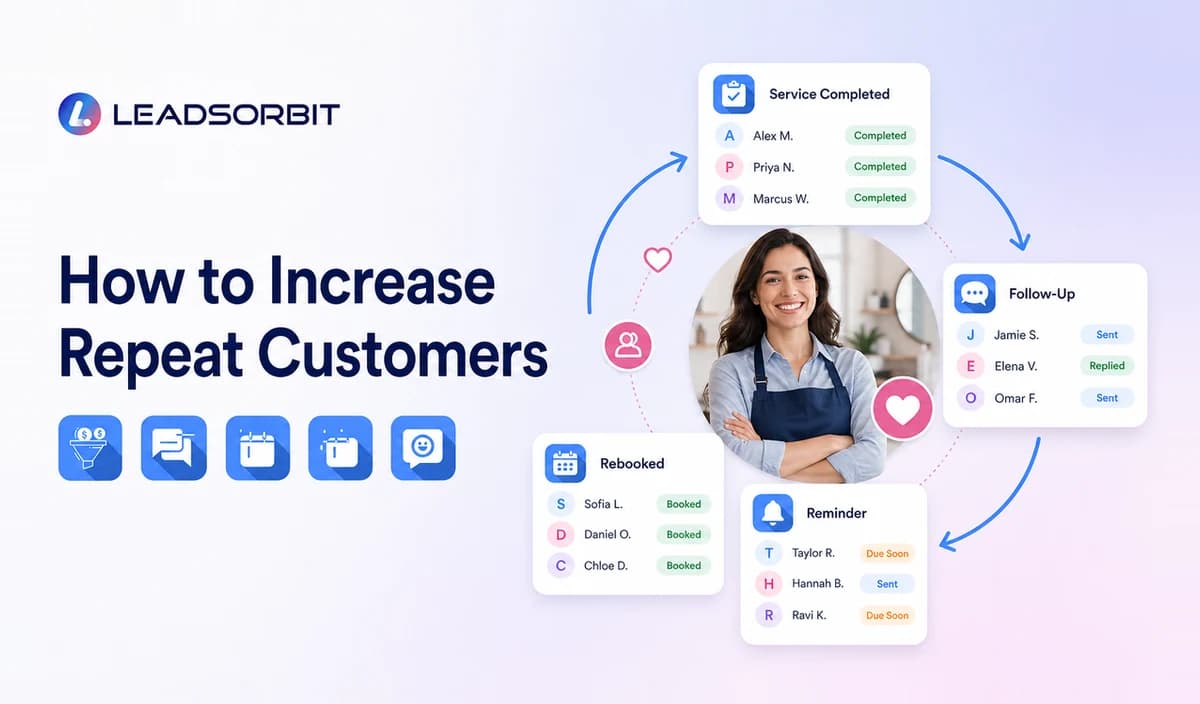

Repeat business is rarely created by one promotion. It usually comes from a series of simple experiences: the service is reliable, the customer feels remembered, the next step is easy, and the business follows up at a useful time.
Many small businesses already have customers who would return, but the process is not organized. There is no future reminder, no rebooking prompt, no clear customer history, and no plan for reconnecting. A customer retention management software system can support the process, but the strategy begins with the customer experience.
Why Repeat Customers Matter Operationally
Repeat customers already understand the business, the service, and the buying process. That familiarity can make future conversations easier, but it should never be taken for granted.
A business still needs to earn the next visit by providing reliable service, handling concerns, remembering relevant details, and communicating appropriately.
The practical goal is not to push every customer into another sale. It is to make it easy for suitable customers to return when they need the service again.
Start With a Strong First Experience
Retention begins before the customer leaves.
The business should confirm what was completed, explain what happens next, answer questions, and make sure the customer knows how to get help. A confusing handoff weakens the chance of a future relationship.
Useful end of service steps include:
- Confirm the work or appointment is complete
- Share care, maintenance, or next step instructions
- Record important preferences and notes
- Ask whether anything remains unclear
- Explain when the next service may be relevant
- Offer a simple way to book or contact the team
These steps create the foundation for future follow up.
Make the Next Appointment or Purchase Easy
A customer may intend to return but forget once daily life becomes busy. The business should remove unnecessary friction.
For appointment based businesses, ask whether the customer wants to schedule the next visit before leaving. For recurring services, record the expected timing and send a reminder when the need becomes relevant.
Connected appointment booking and reminder workflows can help by linking the customer record, timing, confirmation, and rescheduling process.
The reminder should include one clear action. A long message with several offers can make the next step harder.
Use Customer History to Improve Relevance
Good follow up reflects what the customer actually did.
A pet grooming business may use the pet's service history. A home service company may use the equipment, season, or maintenance date. A clinic may use the recommended recall period. A med spa may use the completed service and aftercare plan.
Customer history can support:
- Service specific reminders
- Appropriate educational information
- Future appointment timing
- Personalized check ins
- Relevant reactivation messages
- Staff preparation before the next visit
A connected small business CRM makes this information easier to use across the team.
Follow Up After the Service
The first follow up should be about the customer's experience, not the next sale.
A short check in can confirm that the customer is satisfied, answer questions, and identify concerns that need attention. This is especially important for services where the result or experience continues after the appointment.
A practical post service workflow may:
- Send a thank you message
- Share instructions or maintenance information
- Ask whether the customer needs help
- Create a task when the reply requires attention
- Request feedback after an appropriate period
- Invite the next booking when relevant
Customer follow up automation can make the routine steps consistent while preserving human involvement.
Ask for Feedback and Act on It
Feedback helps a business understand why customers return or do not return.
A feedback request should be easy to complete. When the customer raises a concern, the business should respond promptly and record what happened. Service recovery can be more important than sending another promotion.
When appropriate, the business may also invite customers to leave an honest public review. Google's Business Profile review guidance explains how verified businesses can request, read, and respond to reviews.
Businesses should avoid review practices that are misleading or that require a particular sentiment. The FTC's consumer reviews and testimonials guidance explains current federal rules addressing deceptive review practices.
Create Useful Reasons to Return
Customers need a genuine reason to re engage.
Useful reasons may include:
- A service is due again
- Seasonal maintenance is approaching
- A recommended appointment window has arrived
- A new service is relevant to the customer's history
- An unfinished plan needs attention
- A product or membership is due for renewal
- The business has important educational information
- A previous concern has been resolved
The reason should connect to the customer's needs. A generic discount may attract attention, but it does not create a strong retention system by itself.
Personalize Without Becoming Intrusive
Personalization should make the experience easier, not uncomfortable.
Helpful personalization uses information the customer would reasonably expect the business to remember, such as the service received, appointment date, stated preference, or future need.
Avoid using sensitive or unnecessary information in promotional messages. Collect only what the business needs, protect customer data, and follow applicable privacy and communication requirements.
Build a Repeat Customer Workflow
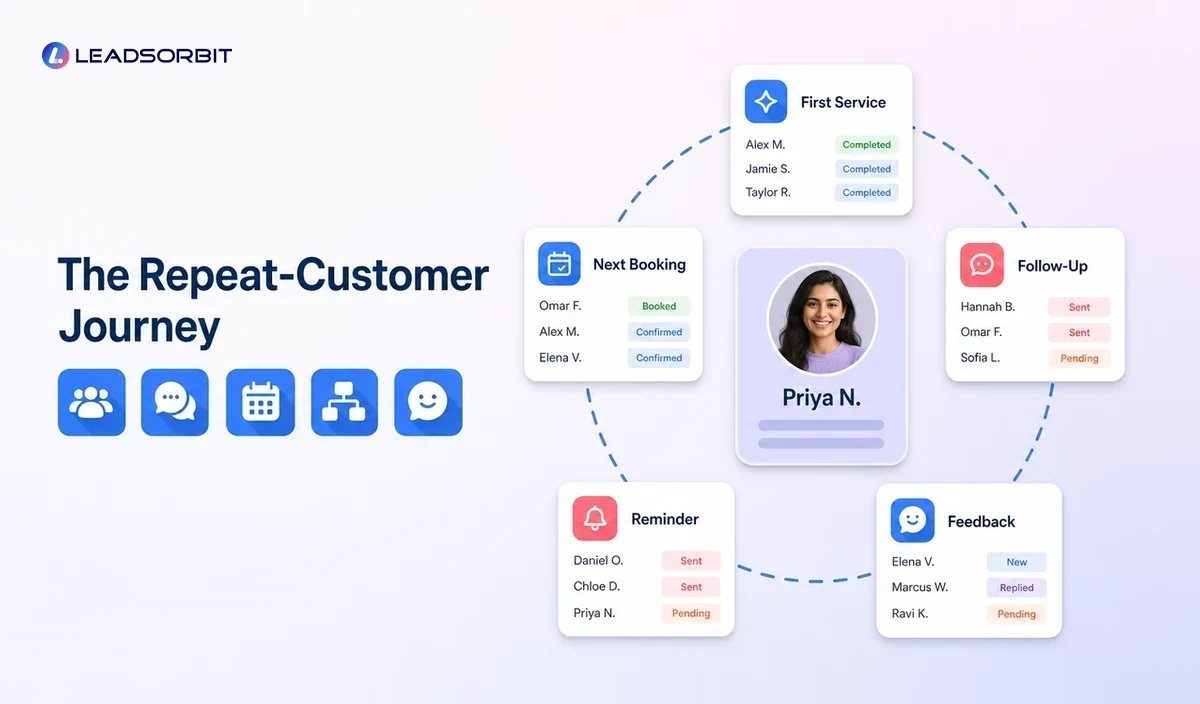
A repeat customer process should be clear enough for the whole team to understand.
Complete the Service Record
Record what happened, what the customer needs next, and whether any issue remains open.
Set the Next Relevant Date
Use the service schedule, appointment plan, renewal date, or expected repeat period.
Choose the Right Follow Up
Decide whether the customer needs a message, booking link, educational content, or personal call.
Stop When the Goal Is Complete
Once the customer books, replies, opts out, or no longer needs the service, update the record and stop irrelevant reminders.
Review the Outcome
Look for patterns. Are customers failing to rebook because timing is wrong, the message is unclear, or staff are not responding to replies?
This process is more useful than sending the same campaign to every customer.
Repeat Customer Strategies by Business Type
Clinics and Appointment Based Practices
Use recall reminders, follow up instructions, rescheduling support, and next appointment prompts. Keep sensitive communication appropriate and obtain guidance for industry specific requirements.
Pet Care and Grooming
Track service history, pet details needed for service, preferred timing, and future grooming reminders.
Home Services
Use seasonal reminders, maintenance schedules, warranty or service follow up, and project completion check ins.
Med Spas and Wellness Businesses
Connect consultation history, aftercare, next service timing, appointment reminders, and customer questions.
Auto Detailing and Recurring Local Services
Schedule reminders based on prior service, season, customer preference, or membership timing. The best workflow reflects the real service cycle rather than forcing every business into the same calendar.
Common Mistakes That Reduce Repeat Business
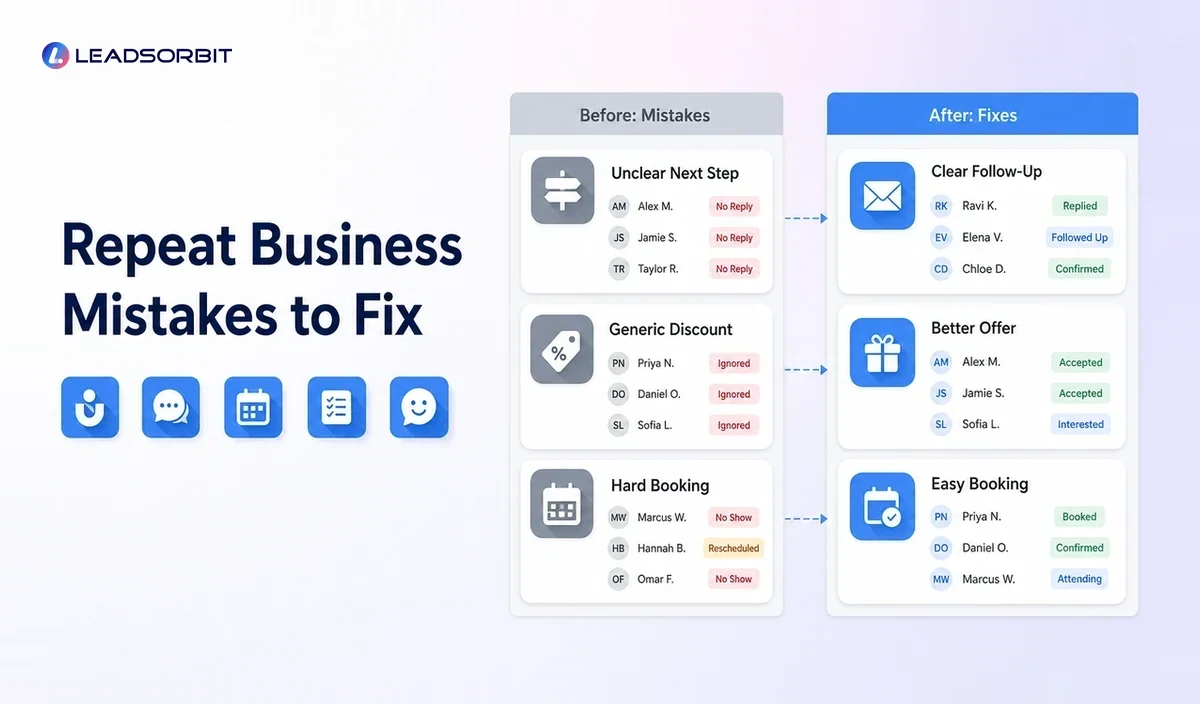
Asking for the Next Sale Too Soon
Customers may need help, instructions, or time before another offer. Sequence the experience properly.
Sending Only Discounts
Discounts can support a campaign, but they do not replace service quality, convenience, trust, and communication.
Forgetting Customers Who Do Not Rebook Immediately
Some customers need a future reminder rather than an immediate promotion.
Failing to Resolve Complaints
A review request or offer should not continue while a service concern remains open.
Making Booking Difficult
If the customer must call several times or repeat information, the process creates friction.
Letting Customer Data Remain Scattered
When conversations, appointments, and notes are in separate systems, staff cannot easily continue the relationship.
How LEADSORBIT Helps Support Repeat Business
LEADSORBIT brings customer records, conversations, appointments, workflow automation, Reviews AI, and tasks into one connected CRM.
Small businesses can use the platform to schedule future service reminders, manage post service follow up, support easy booking, assign personal tasks, request feedback, and identify inactive customers.
The software supports consistency. The reason customers return still depends on the value, service, and trust the business creates.
Try LEADSORBIT free for 14 days
Frequently Asked Questions
Start with reliable service, clear next steps, organized customer records, appropriate follow up, easy booking, useful reminders, and fast issue resolution.
Final Thoughts
To increase repeat customers, focus on the complete experience: service quality, clear next steps, relevant follow up, easy booking, feedback, and organized customer information.

Start Your Free 14 Day Trial
Try LEADSORBIT and see how it captures missed calls, follows up instantly, and turns leads into booked appointments for your business.